


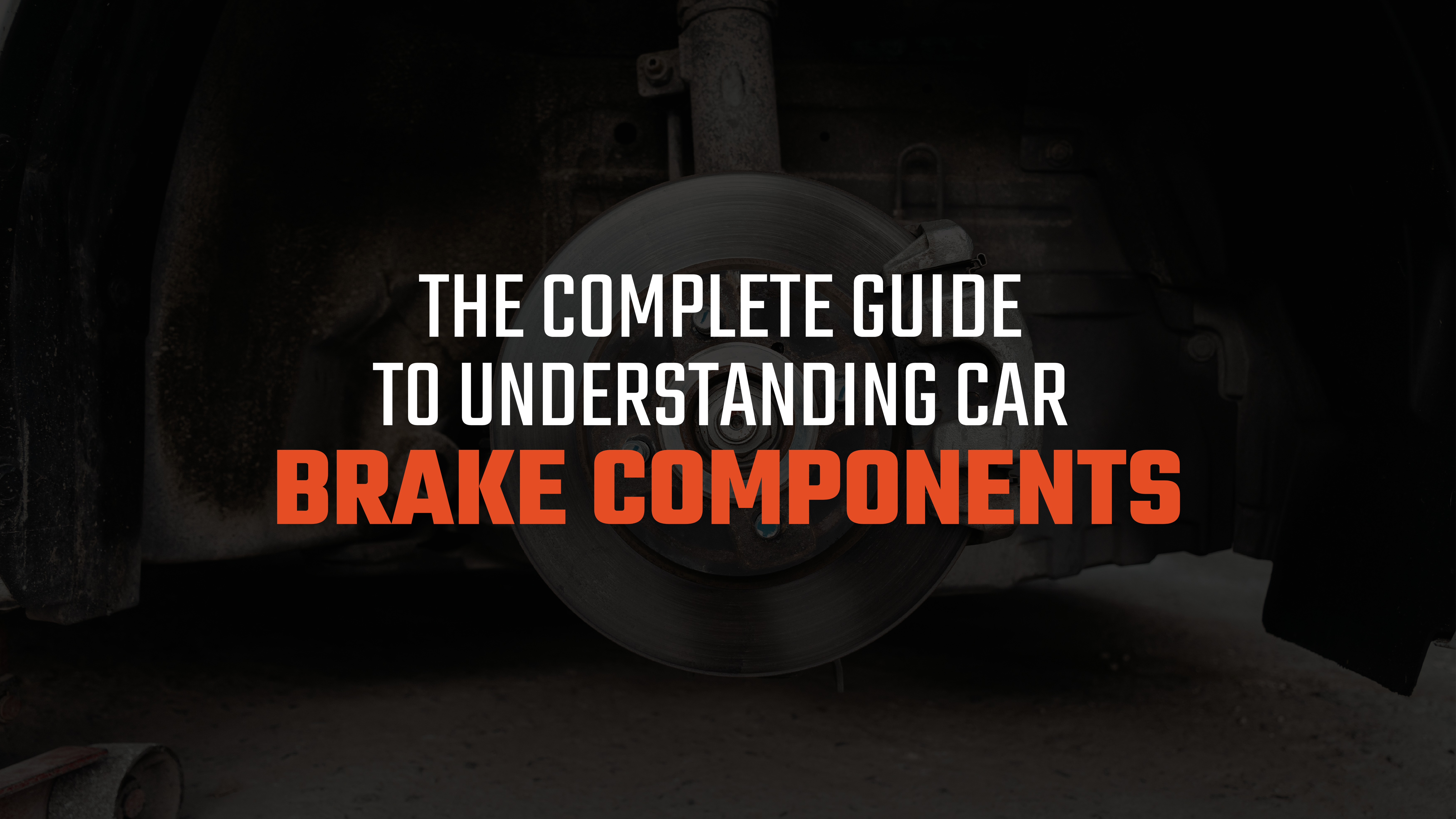
The braking system is one of the most important components for vehicle safety. Without effective brakes, stopping distances increase and the risk of accidents becomes much higher. Understanding the different parts of the braking system helps drivers quickly identify issues and keep their vehicle in good condition.
Brake Pads
Brake pads are the components that press against the brake discs to slow down the car. Every time you press the brake pedal, the pads create friction that helps stop the vehicle.
Over time, this friction gradually wears down the brake pads. On average, they need to be replaced between 30,000 to 70,000 kilometers, depending on driving habits and road conditions.
Some signs indicate that your brake pads need to be replaced:
- a squeaking or grinding noise
- vibrations when braking
- longer stopping distances
- a warning light on the dashboard
Replacing brake pads on time can help prevent damage to the brake discs and other system components.
Brake discs
Brake discs, also called rotors, are the metal surfaces that the brake pads press against. Over time, heat and wear can cause the discs to warp or wear down.
When the discs are damaged, you may notice:
- vibrations in the brake pedal
- metalic noise
- reduced braking performance
In some cases, brake discs can be resurfaced, but it is often better to replace them to ensure optimal performance.
Brake calipers
Brake calipers hold the pads in place and apply the necessary pressure to the discs. They operate using hydraulic pressure created when you press the brake pedal.
A faulty caliper can cause uneven brake pad wear or a loss of braking power.
Conclusion
A well-maintained braking system is essential for the safety of both the driver and passengers. Regularly checking the condition of the pads, discs, and calipers helps prevent costly repairs and keeps your vehicle in optimal condition.